Overview
Robotic manipulation of rigid objects has embarked on a remarkable trajectory, as demonstrated by increasingly advanced manipulation skills and real-world deployments. This progress has been enabled by improved perception pipelines, standardized 6DoF rigid object representations, mature planning, and control frameworks. However, real-world environments contain a diverse set of non-rigid objects: deformable ones, such as clothes, cables, food, and articulated ones, such as dishwashers, laptops, drawers, whose shape, topology, and behavior dynamically changes during interaction. Manipulating these objects remains a fundamental open challenge that requires advances across the entire robotic pipeline, from perception and representation to modelling, planning, and control.
This workshop focuses on robotic manipulation of non-rigid objects, with particular emphasis on deformable and articulated ones. We aim to bring together researchers working on complementary approaches that span end-to-end learning systems and modular pipelines, addressing challenges across the entire manipulation process.
The relevance of this workshop stems from the growing need for robots that can robustly operate in unstructured, human-centered, and natural environments, where interaction with non-rigid objects is unavoidable. Progress in this area is critical for applications such as household assistance, logistics, agriculture, healthcare, and industrial automation, where handling deformable and articulated objects remains one of the key bottlenecks to autonomy and real-world deployment. Currently, two dominant paradigms have emerged: end-to-end approaches that aim to learn manipulation policies from large-scale (often teleoperated) datasets, and modular pipelines inspired by the successes of rigid object manipulation. Each comes with distinct advantages and limitations in terms of robustness, generalization, data efficiency, and interpretability. By fostering discussion between researchers from both paradigms, this workshop seeks to identify common principles, open challenges, and promising directions toward scalable and reliable non-rigid object manipulation.
Speakers
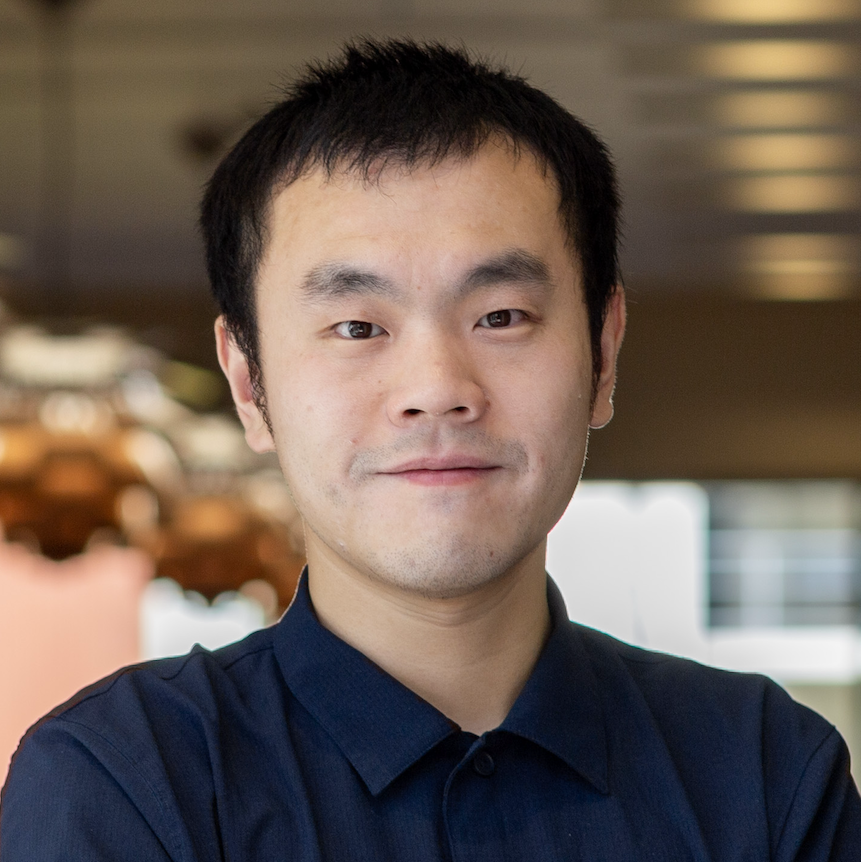
Yue Wang
University of Southern California
Yue is an Assistant Professor at University of Southern California at the department of Computer Science, leading the Physical Superintelligence Lab. He graduated from MIT EECS in 2022, advised by Prof. Justin Solomon at the Geometric Data Processing Group. Previously, Yue was a master’s student at the University of California, San Diego. Prior to that, he received my BEng in Computer Science from Zhejiang University.
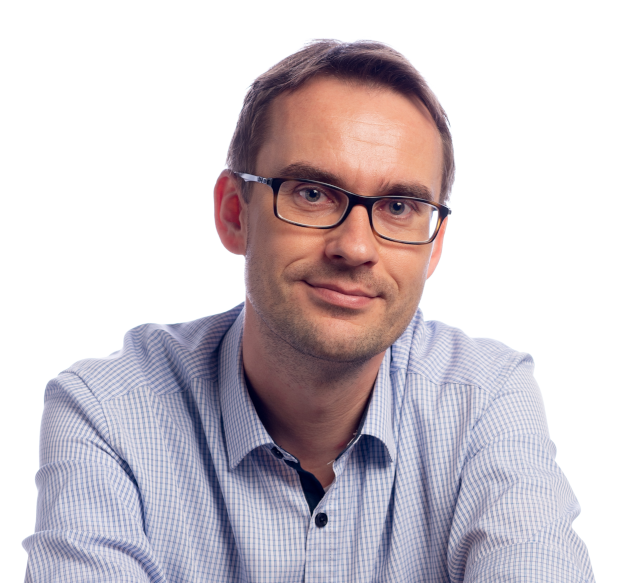
Niko Suenderhauf
Queensland University of Technology
He is a Professor at Queensland University of Technology (QUT) in Brisbane and Deputy Director of the QUT Centre for Robotics, where he leads the Visual Understanding and Learning Program. He is also Deputy Director (Research) for the ARC Research Hub in Intelligent Robotic Systems for Real-Time Asset Management (2022-2027) and was Chief Investigator of the Australian Centre for Robotic Vision 2017-2020. Niko conducts research in robotic vision and robot learning, at the intersection of robotics, computer vision, and machine learning. His research interests focus on robotic learning for manipulation, interaction and navigation, scene understanding, and the reliability of deep learning for open-set and open-world conditions.
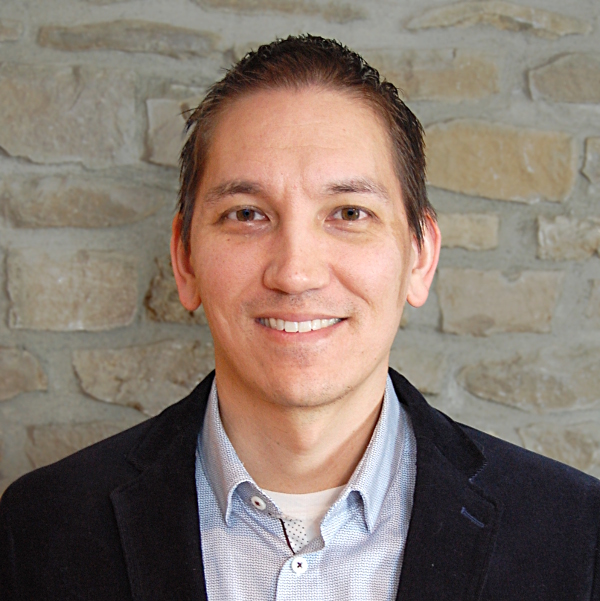
Kris Hauser
University of Illinois Urbana-Champaign
Kris Hauser is a Professor in the Siebel School of Computing and Data Science at the University of Illinois at Urbana-Champaign, and Affiliate of the Department of Electrical and Computer Engineering and the Department of Mechanical Science and Engineering. He received his PhD in Computer Science from Stanford University in 2008, bachelor's degrees in Computer Science and Mathematics from UC Berkeley in 2003, and worked as a postdoctoral fellow at UC Berkeley. He then joined the faculty at Indiana University from 2009-2014, where he started the Intelligent Motion Lab, and then joined the faculty of Duke University from 2014-2019. He also has consulted for Google's autonomous driving company, Waymo, from 2019-2023. Prof. Hauser is a recipient of a Stanford Graduate Fellowship, Siebel Scholar Fellowship, Best Paper Award at IEEE International Conference on Humanoid Robots 2015, the NSF CAREER award, and three Amazon Research Awards. He is currently on leave from UIUC, serving as Head of Robotic Intelligence at Samsung Research America.
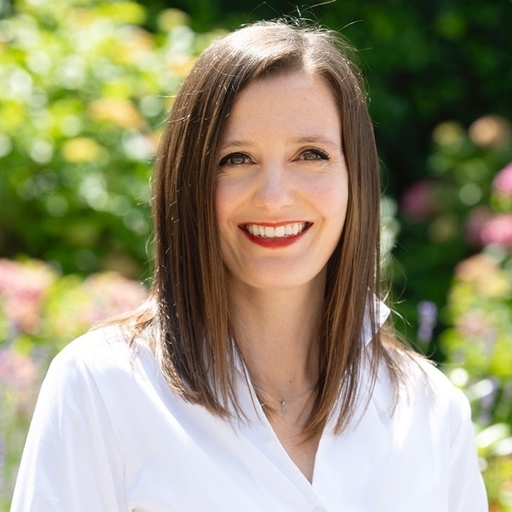
Noémie Jaquier
KTH Royal Institute of Technology
Noémie Jaquier is an assistant professor at the KTH Royal Institute of Technology, where she heads the Geometric Robot Learning (GeoRob) Lab at the Division of Robotics, Perception and Learning. She received her PhD degree from the Ecole Polytechnique Fédérale de Lausanne (EPFL), Switzerland in 2020. Prior to joining KTH, she was a postdoctoral researcher in the High Performance Humanoid Technologies Lab (H²T) at the Karlsruhe Institute of Technology (KIT) and a visiting postdoctoral scholar at the Stanford Robotics Lab. Her research investigates data-efficient and theoretically-sound learning algorithms that leverage differential geometry- and physics-based inductive bias to endow robots with close-to-human learning and adaptation capabilities. Noémie is the recipient of a WASP-AI/MLX professorship and a starting grant from the Swedish research council. She received several awards, notably the Best Presentation Award at CoRL’19, Best Paper Award Finalists (IROS’23, ICRA’24), the Hector-Stiftung Preis 2024 from the Heidelberg Academy of Sciences, and AI newcomer of Technical and Engineering Sciences 2023 by the German Federal Ministry of Education and Research.
Schedule
This is a preliminary version of the schedule and may be subject to change.
| Time | Description | |
|---|---|---|
| 8:30 | Opening Remarks by the Workshop Organizers | |
| 8:45 |
Yue Wang
University of Southern California | Towards Building a Robotic Data Flywheel: Lessons Learned from Research and Industry |
| 9:15 |
Niko Suenderhauf
Queensland University of Technology | Physically Embodied Gaussian Splatting as a Representation for Robotic Manipulation |
| 09:45 | Coffee Break and Poster Session | |
| 10:45 |
Kris Hauser
University of Illinois Urbana-Champaign | Modeling the World as “Stuff” |
| 11:15 |
Noémie Jaquier
KTH Royal Institute of Technology | A differential geometric take on deformable object manipulation |
| 11:45 | Roundtable Discussion | |
| 12:25 | Closing Remarks | |
Accepted Papers
The accepted papers are listed below:

RigidFormer: Learning Rigid Dynamics and Beyond with Transformers
Zhiyang Dou, Minghao Guo, Haixu Wu, Doug Roble, Tuur Stuyck, Wojciech Matusik
CableSort: Force-Guided Dual-Arm Sorting of Stacked Cables Towards Physics Action Models
Yuxin Fu, Haoran Han, Boxian Yao, Peiyu Zhu
χ0: Resource-Aware Robust Manipulation via Taming Distributional Inconsistencies
Checheng Yu, Chonghao Sima, Gangcheng Jiang, Hai Zhang, Haoguang Mai, Hongyang Li, Huijie Wang, Jin Chen, Kaiyang Wu, Li Chen, Lirui Zhao, Modi Shi, Ping Luo, Qingwen Bu, Shijia Peng, Tianyu Li, Yibo Yuan
Manip4Care+: Constraint-RRTConnect with Learning-Based Constraint Checking for Assistive Limb Manipulation
Kai Cheng, Yi Wu, Ahmed H. Qureshi
Interactive World Simulator for Robot Policy Training and Evaluation
Yixuan Wang, Rhythm Syed, Fangyu Wu, Mengchao Zhang, Aykut Onol, Jose Barreiros, Hooshang Nayyeri, Tony Dear, Huan Zhang, Yunzhu Li
Topology-Agnostic Mesh Reconstruction of Deformable Objects from Sparse Touch
Everest Yang
Robustness without Wrinkles: Parallel Simulation & Robust MPC for Certified Deformable Manipulation
Wei-Chen Li, Jeffrey Fang, Sasanka Polisetti, Yuexi Song, Glen Chou
LeHome: A Simulation Environment for Deformable Object Manipulation in Household Scenarios
Zeyi Li, Hangting Liu, Shawn Xie, Jade Yang, Steve Xie, Ruihai Wu
DefWAM: 3D Point Flow Prediction Learns Effective Goal-Conditioned Deformable Object Manipulation
Gaurav Singh, Sergio Orozco, Ryan Duong, Mete Tuluhan Akbulut, George Konidaris, Srinath Sridhar
Beyond Success Rate: Empirical Evidence That Compliance Dominates in Deformable-Object Grasping
Adedayo Akinade, Keenan Granland, Jürgen Leitner, Michael Burke
Call for Papers
We invite the submission of field reports or extended abstracts on the following topics of interest:
- - Perception: How can robots perceive non-rigid objects using cameras and other multimodal sensors (e.g., tactile, force, and proprioception)?
- - Representation: How can non-rigid objects be represented; do we learn or deploy model-based representations; how to balance detail and precision with computational complexity?
- - Modelling and planning: How can we model and integrate non-rigid object dynamics into planning; what role do world models play in non-rigid object manipulation?
- - Approaches: What are the advantages and shortcoming of different paradigms for manipulation; with particular emphasis on end-to-end and modular ones?
- - Evaluation and Benchmarks: How to best measure progress; what are common benchmarks, datasets and metrics for manipulating non-rigid objects?
All submitted papers will be reviewed on the basis of technical quality, relevance, significance, and clarity. The page limit of submitted papers is 4 pages including references. We also accept submissions of previously presented work, that you have extended on and work that is being published as part of the RSS 2026 main conference. Upon acceptance, you will be able to present your submission as part of the poster session. All accepted submissions will be available for the workshop on this website (non archival).
Please submit your extended abstracts following the RSS 2026 format guidelines. For details see the following link:
Please submit your workshop paper through OpenReview.
Presentation Instructions
All accepted papers will be presented as posters at the workshop. Authors of accepted papers should prepare a poster in DIN A0 Portrait format.
Posters will be displayed during the poster session on July 13, 2026. Please ensure your poster is set up before the session begins.
Important Dates
Extended Abstract Submission Deadline: 12 June
extended to 19 June, 2026
Decision Notification: 17 June
extended to 24 June, 2026 (if earlier notification is
necessary due to travel plans, please contact Leonard Klüpfel)
Workshop Date: 13 July, 2026
Organizers

Leonard Klüpfel
German Aerospace Center (DLR)

Júlia Borràs Sol
Institut de Robòtica i Informàtica Industrial, CSIC-UPC

David Blanco-Mulero
Institut de Robòtica i Informàtica Industrial, CSIC-UPC
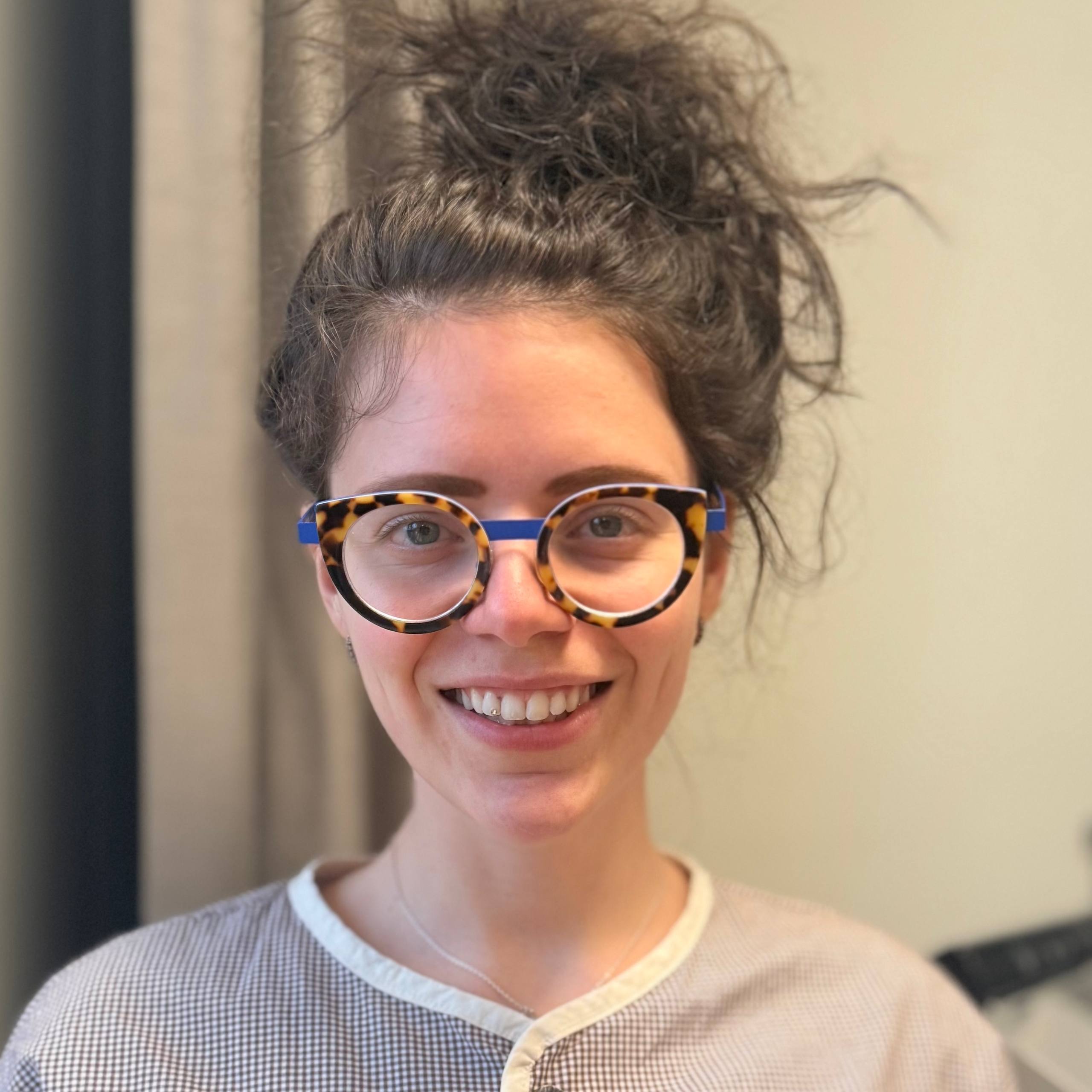
Alberta Longhini
Stanford University

Andrej Gams
Jozef Stefan Institute

Maximilian Durner
German Aerospace Center (DLR)
Rudolph Triebel
German Aerospace Center (DLR); Karlsruhe Institute of Technology (KIT)